Have you ever walked into a busy public space and noticed the different colors on warning panels? It’s not just for decoration. Understanding why use different colors to distinguish detectable warning panels can make a huge difference, especially for those with visual impairments.
The Importance of Color in Warning Panels
Colors play a crucial role in our daily lives. They can grab our attention and send immediate signals. For those who may not see well, these colors help convey important information quickly. Imagine walking towards a busy street. A bright yellow panel catches your eye. It signals caution and makes you stop.
How Colors Help Everyone
Using different colors helps all of us. Here’s how:
- Visibility: Bright colors stand out. They draw attention in crowded areas.
- Understanding: Each color can mean something different, making it easier to understand the message.
- Safety: Warning panels with clear colors can prevent accidents and keep people safe.
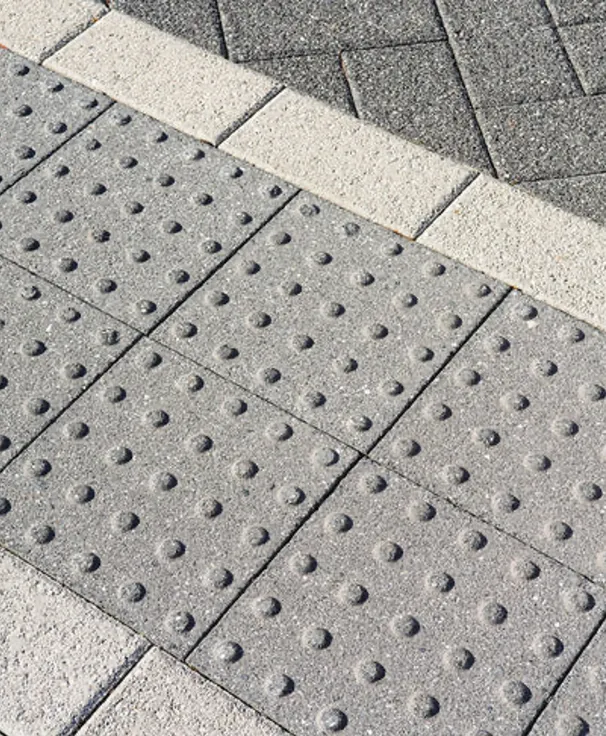
Real-Life Examples
Let me share a quick story. Last summer, I was at a park with my family. My daughter spotted a blue panel that warned about a slippery path. Thanks to the color, she knew to be careful. If it had been gray or dull, she might not have noticed it at all.
Common Color Codes
Different colors are often used for specific warnings. Here are some common examples:
- Red: Danger or stop.
- Yellow: Caution or slow down.
- Blue: Information or notice.
- Green: Safe to go or proceed.
Choosing the Right Materials
When making these panels, materials matter. Some surfaces reflect light better than others. I remember working on a DIY project where I used truncated dome tiles. Their colors popped and caught attention, which made them perfect for safety signs.
The Benefits of Using Color Wisely
Using colors effectively not only aids in safety but also enhances the overall experience in public spaces. It creates a welcoming atmosphere. When people can easily identify warnings, they feel more comfortable.
Final Thoughts
Next time you see a warning panel, take a moment to appreciate its colors. They are there for a reason. Understanding why use different colors to distinguish detectable warning panels can improve safety for everyone. Let’s be mindful of these small yet significant details in our environments.